
Description
Artificial intelligence (AI) is increasingly revolutionizing analytics and measurement technology in laboratories. From chemical analysis and biological testing to physical measurement technology and medical diagnostics, AI-powered methods accelerate data processing, increase precision, and optimize workflows.
Modern algorithms detect patterns in complex datasets, evaluate results in real time, and provide decision-making insights that go far beyond traditional analytical methods.
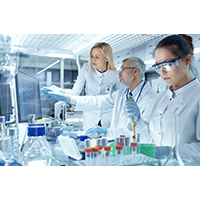
Laboratories generate immense amounts of data every day: from R&D projects, from development and regulatory studies, or from routine measurements in quality control. These datasets often comprise extensive measurement and analysis data available in various formats and systems: from modern laboratory information management systems to historical data lakes. Often, this data is not utilized but merely managed.
This seminar teaches how to
- AI can be specifically applied in various fields of analytics and measurement technology.
- You can unlock the full potential of your lab data with the help of artificial intelligence (AI).
- How you can gain valuable insights from your data that not only improve laboratory processes but also create added value for customers, and how you can use these insights to develop new business models.
This seminar is intended for
- Laboratory supervisors and managers in research, development, and quality control who wish to gain a basic understanding of the use of AI in a laboratory setting.
- Quality managers and quality assurance representatives who want to leverage the benefits of AI to optimize their laboratory and quality processes.
- IT, LIMS, and data managers who are preparing to implement AI solutions in the laboratory setting.
After the seminar
- You have learned the basic concepts and decision-making criteria for the use of AI in various analytical methods and measurement technology.
- you will be able to determine which laboratory processes are best suited for the implementation of AI technologies and which are not.
- Do you know of any specific use cases in which AI is used to improve the analysis of measurement data and automate reporting?
- You know how to analyze data to optimize existing processes and products, thereby significantly improving efficiency and quality.
You can find the full program here.